

Pests in the basement can create significant health risks and structural damage if left untreated. Unfortunately, basements often provide an ideal environment for pests, as they are dark, damp, and less frequently accessed than other areas of the home. Identifying the early signs of a pest problem is essential to prevent further complications. Below are eight key indicators that you may need professional pest control services for your basement.
Hearing strange sounds like scratching, scurrying, or squeaking in your basement could indicate the presence of pests such as rodents or insects. These noises are often more noticeable at night when pests are most active.
One of the most reliable signs of a pest infestation is finding droppings or urine stains on surfaces such as floors, walls, or storage boxes. Rodents like mice and rats leave small pellet-shaped droppings, while cockroaches produce cylindrical droppings with ridges.
| Pest Type | Description of Droppings | Possible Locations |
| Rodents | Small, dark pellets | Corners, along walls |
| Cockroaches | Cylindrical droppings with ridges | Near food sources or crevices |
Pests can cause noticeable damage to various materials in your basement:
– Chewed wires: Rodents gnaw on electrical wires, creating fire hazards.
Gnawed wood: Termites may leave behind hollowed wood structures or sawdust-like residues.
Ruined insulation: Many pests burrow into insulation to build nests.
If you notice persistent unpleasant odors in your basement despite regular cleaning and ventilation efforts, this could be a sign of pests nesting or decaying carcasses.
Rodents and some insects gather nesting materials such as shredded paper, fabric fibers, or plant debris. Spotting these materials in corners or hidden areas could indicate an infestation.
Seeing live pests such as ants, centipedes, spiders, or cockroaches crawling around your basement is a strong indicator that professional intervention may be necessary to address an underlying problem.
The presence of dead pests can also signal an infestation since it suggests active colonies within the vicinity.
Cracks in walls or gaps around windows and foundations may not only allow pests entry but also indicate that termites or carpenter ants are already compromising the integrity of the structure.
When Should You Call a Professional for Pest Removal Stuart FL
If you notice one or more of these signs in your basement:
– Avoid attempting DIY remedies without understanding the extent of the issue.
– Contact licensed pest control experts who can perform a thorough inspection.
– Professionals will provide customized solutions to eliminate existing infestations and prevent future ones effectively.
Keeping an eye out for these warning signals will help protect your home from costly damage and health risks associated with pest infestations.
Identifying Pest Problems with Stuart Pest Control: Noises, Droppings, and Damage
Pests are often stealthy invaders, making it crucial for homeowners to recognize the early signs of a potential infestation. While some signs may be obvious, such as physical evidence of droppings or visible damage, others—like subtle noises—may require closer attention. Below is a detailed exploration of the key indicators that suggest your home may be harboring unwanted guests.
Strange Noises: What to Listen For
Unusual sounds in your home may point to pest activity. These noises are often more noticeable during quiet hours and can vary depending on the type of pest present.
- Scratching or Scuttling: Rodents like rats and mice are known for scratching or scuttling sounds as they move through walls, floors, or ceilings.
- Buzzing: Insects such as bees or wasps may create a constant buzzing noise, especially if they have built nests within walls or attics.
- Chewing Sounds: Termites and rodents sometimes produce faint chewing or gnawing noises as they feed on wood structures or insulation.
- Flapping Wings: Birds or bats roosting in attics can create fluttering sounds that might not be immediately obvious.
If you hear any of these noises regularly, it’s time to investigate further before the problem escalates.
Droppings: A Clear Indicator
Droppings provide one of the most concrete clues of a pest infestation.
| Pest Type | Appearance of Droppings | Location Found |
| Rodents (Mice/Rats) | Small dark pellets; spindle-shaped (rats larger) | Baseboards, pantries, storage areas |
| Cockroaches | Small black specks resembling ground pepper | Corners, under appliances |
| Bats | Dry droppings resembling dark grains; crumbly | Attics, entry points near rafters |
Always handle droppings with care by using gloves and protective gear to avoid exposure to bacteria.
Visible Damage: Structural Clues from Pests
Another clear sign is physical damage to your home’s structure or belongings.
- Chewed Wires and Insulation: Rodents often gnaw on wiring and insulation materials. This can pose serious fire hazards if left unchecked.
- Holes in Walls: Small holes near baseboards may indicate termite activity or rodent entry points.
- Wood Damage: Termites create hollowed-out wood structures that often sound empty when tapped.
- Gnawed Food Packaging: Look for bite marks on cereal boxes, bags, and other food packaging stored in pantries.
Pay attention to these signs during routine household cleaning and maintenance checks.
Other Indicators That Suggest Pest Presence
- A musty smell could suggest mold caused by termites bringing moisture into wood structures.
- The scent of ammonia is often linked with rodent urine.
- Spider webs appearing in abundance signal spiders’ increased presence.
- Rodents may construct nests using shredded paper or fabric found in secluded areas.
- Increased sneezing or skin rashes could indicate dust mites or allergens linked with pests such as cockroaches.
Why Early Identification Matters
Identifying these telltale signs early is critical for effective intervention. If ignored, minor issues could escalate into significant infestations requiring costly repairs and treatments.
Preventing pest infestations is key to maintaining a healthy, safe, and comfortable home environment. By implementing proactive strategies and regular maintenance, you can significantly reduce the likelihood of pests invading your living space. Below are some effective prevention methods designed to safeguard your home against common pests.
Maintain a Clean Environment
- Wipe down countertops and tables after meals to remove crumbs and spills.
- Regularly clean appliances such as microwaves, ovens, and refrigerators where food debris may accumulate.
- Dispose of garbage frequently in sealed bins.
- Remove stacks of newspapers or cardboard boxes that can serve as nesting grounds for pests such as cockroaches or mice.
- Organize storage spaces like basements or attics using plastic bins instead of cardboard.
- Use caulk or sealant to fill cracks in walls, foundations, or around plumbing fixtures.
- Install door sweeps on exterior doors to block gaps at the bottom.
- Repair torn window screens to prevent flying insects from entering your home.
- Check for gaps around utility lines (e. g. , pipes or cables) entering the house and seal them properly.
Eliminate Sources of Water
Access to water is crucial for many pests’ survival.
- Fix leaky faucets, pipes, and clogged drains promptly.
- Use a dehumidifier in damp areas such as basements or crawl spaces.
Landscape Maintenance
Your yard can also play a role in attracting pests into your home.
| Landscaping Tip | Benefit |
| Trim shrubs and tree branches near your home | Prevents easy access for pests like ants or squirrels. |
| Keep firewood stored away from the house | Reduces risk from termites nesting close by. |
| Remove standing water (e.g., birdbaths) | Discourages mosquitoes from breeding. |
Regular Inspections
Conduct routine inspections of both indoor and outdoor areas of your property. Look out for indicators of pest activity such as droppings, chew marks on woodwork, nests made from shredded paper, or unusual odors. Early detection allows you to take action before an infestation becomes severe.
By adopting these preventive measures consistently over time—along with seeking professional pest control services when necessary—you can protect your home effectively against unwanted invaders while ensuring peace of mind year-round.
Finding the Best Exterminator Stuart FL Offers for Reliable Pest Control Solutions
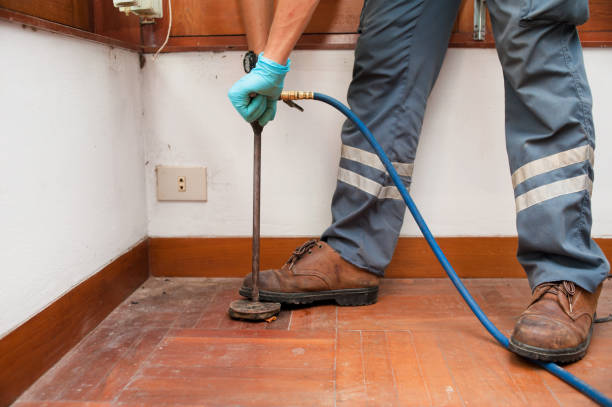
Dealing with a pest infestation can be overwhelming and frustrating, especially when DIY methods fail to deliver the desired results. While home remedies and over-the-counter products may offer temporary relief, professional pest control services provide long-term solutions tailored to your specific needs. Below, we explore why professional pest control stands out as the most reliable choice for addressing pest problems.
Expertise and Knowledge
Professional pest control technicians are trained to identify specific pests, understand their behavior, and choose the most effective treatment methods.
- Correctly Identify Pests: Misidentifying pests can lead to ineffective treatments. For example, treating carpenter ants as common ants or mistaking termites for flying ants may worsen infestations.
- Understand Lifecycle Patterns: Knowing when pests are most vulnerable (e. g., during reproduction or larval stages) allows targeted interventions.
- Recommend Preventative Measures: Professionals not only eliminate existing pests but also provide guidance on preventing future infestations.
Advanced Tools and Techniques
DIY solutions are often limited in scope and effectiveness compared to professional-grade tools and treatments.
| Tool/Technique | Purpose |
| Baiting Systems | Targets specific pests like termites or rodents effectively |
| Thermal Imaging Cameras | Detects hidden infestations behind walls or under floors |
| Chemical Treatments | Offers broad-spectrum protection with precise application |
| Integrated Pest Management | A holistic approach combining prevention, monitoring, and treatment |
These solutions are not readily available to the average homeowner, making professional services more efficient.
Long-Term Cost Savings
Although hiring a pest control service may seem costly upfront, it often saves money in the long run by preventing extensive damage caused by unchecked infestations.
- Termites can cause structural damage that costs thousands of dollars in repair.
- Rodents may chew through electrical wiring, creating fire hazards or expensive rewiring needs.
- Cockroaches contaminate food supplies, leading to wasteful replacements.
Investing in professional pest control mitigates these risks early on.
Customized Treatment Plans
Each home is unique, as is every infestation. Professionals evaluate your property thoroughly before developing a tailored treatment plan designed specifically for your situation.
- Targeted Solutions: Treating only affected areas without risking harm to non-pest species.
- Safety Precautions: Minimizing exposure of harmful chemicals to children or pets through eco-friendly options.
- Follow-Up Services: Periodic inspections ensure that treatments remain effective over time.
Health Benefits
Pests such as rats, cockroaches, and mosquitoes carry diseases that pose serious health hazards to humans and pets. Professional interventions help eliminate these risks by removing disease vectors quickly and efficiently.
Key health benefits include:
– Reducing asthma triggers caused by cockroach droppings or rodent dander.
– Preventing contamination of food or water supplies through proper sanitation measures.
– Eliminating bites from bed bugs or fleas that could lead to skin irritation or infections.
Peace of Mind
Knowing that experts handle your pest problem allows you to focus on other priorities without worrying about recurring infestations or ineffective treatments. Reliable services provide warranties or guarantees for added assurance.
In summary, professional pest control is an investment in both property protection and personal well-being. By leveraging expertise, advanced techniques, customized plans, cost savings strategies, health safeguards, and peace of mind assurances—these services offer unparalleled effectiveness compared to DIY attempts at managing pests.
Uncovering the Common Types of Pests Found in Homes and How to Combat Them
Pest infestations can occur in any home, regardless of size, location, or cleanliness. Understanding the common types of pests and how to manage them effectively is key to maintaining a safe and healthy living space. Below, we’ll look at some frequently encountered household pests, their behaviors, and proven strategies for combating them.
1.Rodents (Mice and Rats)
Characteristics:
– Gnaw on furniture, wires, and insulation.
– Leave droppings near food storage areas or along baseboards.
– Can spread diseases like hantavirus or salmonella.
How to Combat Them:
– Prevention: Seal cracks and small openings in walls or foundations where rodents might enter.
– Control Measures: Use snap traps or bait stations in high-traffic rodent areas. Consider professional rodent exclusion services for persistent infestations.
2.Cockroaches
Characteristics:
– Thrive in warm, moist environments such as kitchens and bathrooms.
– Leave behind droppings resembling coffee grounds or black pepper flakes. – May trigger allergies or asthma symptoms in sensitive individuals.
How to Combat Them:
– Prevention: Keep your home clean with regular vacuuming and eliminate food crumbs promptly. Control Measures: Use gel baits or boric acid powder along baseboards, corners, and under sinks. If the infestation is severe, seek professional pest control assistance for fumigation treatments.
3.Ants
Characteristics:
– Often found foraging for food in kitchens or pantry areas. – Certain species like carpenter ants can damage wooden structures over time.
How to Combat Them:
| Type of Ant | Preferred Control Methods |
|————-|——————————————–|
| Sugar Ants | Clean up sugary spills; use bait traps |
| Carpenter Ants | Address moisture issues; use insecticides |
Additionally: Seal cracks along walls and windowsills to block entry points.
4.Bed Bugs
Characteristics:
– Leave small blood stains on sheets or mattresses from feeding activity.
– Cause itchy red bites on exposed skin during sleep hours.
How to Combat Them:
1) Declutter bedrooms where they might hide (e. g. , under beds).
2) Wash bedding regularly at high heat settings (above 120°F).
3) Seek specialized pest control treatments like heat remediation if DIY approaches don’t work.
5.Termites
Characteristics:
-Termites quietly consume wood materials without being noticed till significant damage occurs .
evidence includes hollowed wood sounds during taps test nearby
Essential Steps to Take When You Suspect a Pest Infestation in Your Living Space
Dealing with a suspected pest infestation can be stressful and overwhelming, but taking prompt and effective action is essential to minimize damage and protect your home. Below are the key steps you should follow when you suspect pests in your living space.
The first step is to confirm whether you’re dealing with pests.
– Droppings: Small, dark spots or debris around baseboards, in cabinets, or near food storage areas.
– Unusual Noises: Scratching sounds in walls, ceilings, or floorboards.
– Visible Damage: Chewed wires, gnawed furniture, holes in walls, or damaged food packaging.
– Foul Odors: A musty smell often accompanies infestations like rodents or cockroaches.
Understanding what type of pest you’re dealing with is crucial for choosing the right approach to eliminate them effectively.
| Pest Type | Signs to Look For | Areas Found |
|——————-|————————————————|————————–|
| Rodents (e. g.
| Cockroaches | Musty smell, droppings resembling coffee grounds | Kitchens, bathrooms |
| Termites | Wood damage (hollow-sounding wood), mud tubes | Near wooden structures | | Ants | Visible trails leading to food sources | Kitchens and pantries |
If needed, consult online resources or a professional pest control company for further identification.
Once you’ve identified the issue:
– Seal potential entry points such as cracks in walls and gaps around doors or windows using caulk or weather stripping.
– Remove clutter where pests might hide—especially cardboard boxes and piles of paper.
Depending on the pest type and size of infestation:
– Use store-bought traps (e. g., mouse traps) for small rodent problems.
insecticide for ants or spiders according to labeled instructions. Bait stations for cockroach control.
However, avoid relying solely on DIY methods if the infestation appears extensive.
If initial attempts do not resolve the issue—or if you’ve discovered signs of a severe infestation—reach out to licensed professionals who are trained to handle pests safely and thoroughly.
1. Conduct a thorough inspection of your property.
2. Identify hidden nests or colonies that you might overlook.
3. Apply industry-approved treatments that are effective yet safe for your household.
After addressing an infestation, focus on prevention by implementing these measures:
– Regularly clean areas prone to crumbs and spills like kitchens.
– Repair plumbing issues that create moisture-rich environments appealing to pests.
– Schedule periodic pest control inspections for ongoing peace of mind.
By acting swiftly and deliberately at any sign of an infestation—and seeking professional help when necessary—you can protect both your home’s structure and your family’s health from potential harm caused by pests.
- Discover How Stuart FL Pest Control Company Tackles 12 Unwanted Pests in Your Home and Prevention Tips
- Understanding the Key Differences with Stuart Pest Control Services
- 8 Signs You Should Call a Stuart FL Pest Control Company for Your Basement
- Comprehensive Guide to Launching Your Own Stuart FL Pest Control Company
- Finding the Best Exterminator Stuart FL to Protect Your Home and Family
- Effective Stuart Pest Control Tips and Alternatives to Avoid Common Removal Myths
- Steps to Take When Stuart Pest Control Isn’t Effective in Your Apartment
- Stuart Pest Control: Creating a Natural Haven for Predatory Insects to Combat Pests