
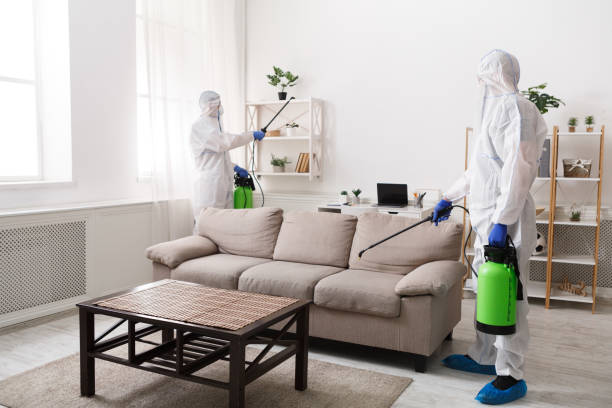
Pest infestations can lead to significant health risks, property damage, and costly repairs. Knowing which pests are the most problematic and how to prevent them is essential for maintaining a safe and comfortable home environment. Below is a breakdown of 12 of the most unwanted pests that could invade your home, along with tips for keeping them at bay.
1. Cockroaches
- Why They’re Unwanted: Cockroaches carry bacteria that can cause food poisoning and exacerbate asthma symptoms.
- Keep your kitchen clean by wiping down surfaces and storing food in sealed containers.
- Fix leaks promptly, as cockroaches thrive in moist environments.
- Seal cracks and crevices around the home.
2. Ants
- Why They’re Unwanted: Ants can contaminate food supplies and create unsightly trails throughout your home.
- Eliminate sources of food crumbs or spills immediately.
- Use ant barriers near entry points like windowsills and doors.
3. Termites
- Why They’re Unwanted: These wood-destroying insects can compromise the structural integrity of your home.
- Remove wood debris or mulch near your foundation.
- Schedule annual termite inspections with a pest control professional.
4. Rodents (Mice and Rats)
- Why They’re Unwanted: Rodents spread diseases such as hantavirus while also causing damage by gnawing on wires or insulation.
- Keep trash in tightly sealed bins.
- Close off holes or gaps larger than a quarter-inch using steel wool or caulk.
5. Mosquitoes
- Why They’re Unwanted: Mosquito bites can transmit diseases like West Nile virus or dengue fever.
- Empty standing water around your property to reduce breeding grounds.
- Install window screens to block entry into your house.
Table: Common Pests and Their Health Risks
| Pest | Primary Risk | Prevention Strategy |
| Cockroaches | Food contamination | Regular cleaning, sealing entry points |
| Termites | Structural damage | Annual inspections, remove wood debris |
| Rodents | Disease transmission | Seal gaps, proper food storage |
Additional Prevention Strategies for All Pests
- Maintain cleanliness across all areas of your home to eliminate attractants.
- Inspect second-hand furniture before bringing it indoors to avoid bed bug infestations.
- Use non-toxic deterrents like diatomaceous earth for natural pest control solutions when possible.
By implementing these preventive measures tailored to each pest type, you can significantly reduce the risk of an infestation in your home while protecting yourself from potential health hazards associated with these intruders. Stay proactive by combining good hygiene practices with periodic inspections from licensed pest control professionals for optimal results.
Effective Pest Removal Stuart FL: Understanding Common Insect Invaders in Your Home
Insect pests are a common problem faced by homeowners globally. It is estimated that there are thousands of insect species, but only a fraction of them invade residential spaces. These pests not only disrupt daily life but can also cause significant damage to property and health. Understanding why they invade your space and the diversity of species that may find their way indoors is essential for effective pest management.
Common Insect Pests Found in Homes
- Species: German cockroach, American cockroach, Oriental cockroach
- Reason for invasion: Searching for food crumbs, water leaks, and shelter in warm areas
- Species: Carpenter ants, pavement ants, odorous house ants
- Reason for invasion: Food sources (especially sugary or greasy substances) and nesting sites
- Species: Subterranean termites, drywood termites
- Reason for invasion: Wooden structures provide ideal food sources for termite colonies
- Scientific Name: Cimex lectularius
- Reason for invasion: Hitchhiking through luggage or furniture to feed on human blood at night
Other insects such as fruit flies, silverfish, spiders (technically arachnids but often grouped with insects), and mosquitoes can also enter homes under various circumstances.
Why Do Insects Invade Indoor Spaces?
- Food Availability: Crumbs on floors or counters can attract ants and cockroaches. Pantry storage can also draw moths or beetles.
- Moisture Sources: Leaky faucets or damp areas provide ideal environments for moisture-loving pests like silverfish or roaches.
- Temperature Control: Warm indoor climates during colder months make homes attractive to many insects seeking refuge.
- Access Points: Cracks in walls, poorly sealed doors/windows, or damaged screens create easy entryways.
- Light Attraction: Outdoor lighting at night often attracts flying insects like moths that may inadvertently enter through open doors/windows.
| Type of Pest | Reasons for Entry | Common Damage/Impact |
| Cockroaches | Food debris; humid conditions | Spread bacteria; contaminate surfaces |
| Ants | Sugary/greasy foods; shelter-seeking | Can damage structures (carpenter ants) |
| Termites | Wooden structures | Severe structural damage over time |
| Bed Bugs | Human hosts | Skin irritation; psychological stress |
Preventing Indoor Pest Infestations
Prevention is always better than remediation when it comes to managing insect invasions in your home. By addressing the key drivers attracting pests into your space you can significantly reduce the risk of infestation.
- Seal Entry Points: Inspect your home’s exterior regularly for cracks or gaps around windows and doors; seal these with caulk or weatherstripping.
- Maintain Cleanliness: Regularly vacuum floors and wipe down surfaces to eliminate food particles that attract pests.
- Store Food Properly: Use airtight containers for pantry goods such as cereals and grains to prevent access by insects like pantry moths.
- Control Moisture Levels: Fix leaky pipes promptly and use dehumidifiers in damp areas like basements to deter moisture-loving pests.
- Dispose of Trash Properly: Ensure trash bins have tightly fitting lids and are emptied frequently to avoid attracting scavenging insects.
By understanding the types of insects that may invade your home and their motivations for doing so, you can take proactive measures to secure your living environment from unwanted invaders while minimizing risks associated with their presence.
How Stuart Pest Control Helps Protect Your Home from Invasive Insects
Invasive insects are not only a nuisance but also pose a significant threat to homes, property, and even health. These pests can infiltrate your space, cause structural damage, spread diseases, and disrupt the comfort of your living environment. For professional help with pest infestation visit https://www.stuartpestcontrol.net/
Below is a closer look at some of the most invasive insects, how they impact your home, and effective strategies to mitigate their presence.
Common Invasive Insects
- Impact: Termites are notorious for causing extensive structural damage as they feed on wood and cellulose materials in homes. Over time, their colonies can compromise the integrity of walls, floors, and furniture.
- Seal cracks in the foundation and exterior walls.
- Reduce moisture levels around your property by fixing leaks or improving drainage.
- Store firewood away from the house.
- Impact: Similar to termites, carpenter ants hollow out wood structures to create nests. While they do not consume wood like termites, they can weaken wooden beams and furniture.
- Repair damaged or damp wood promptly.
- Keep shrubs and trees trimmed away from windows and doors.
- Use ant baits or professional pest control methods if an infestation occurs.
- Impact: Bed bugs thrive in bedding and upholstery where they feed on human blood at night. Their bites can cause itchy welts and allergic reactions for some individuals. Infestations can spread quickly once established.
- Wash bedding regularly at high temperatures.
- Inspect second-hand furniture thoroughly before bringing it inside.
- Use mattress covers designed to prevent infestations.
- Impact: Cockroaches contaminate food surfaces with bacteria that can cause illnesses such as salmonella or E. coli infections. Their droppings may also trigger allergies or asthma in sensitive individuals.
- Prevention:
- Keep kitchens clean by storing food in sealed containers.
- Eliminate water sources such as leaky faucets or standing water.
- Use traps or call a pest control professional if cockroach activity is detected.

Health Risks of Invasive Pests
| Pest | Health Risks | Additional Notes |
| Termites | None directly to humans | Damage may lead to unsafe structures |
| Cockroaches | Allergies, asthma triggers; bacterial spread | Thrive in unsanitary conditions |
| Bed Bugs | Skin irritation; infection from scratching | Hard to eliminate without expert help |
| Mosquitoes | Spread diseases (e.g., West Nile Virus) | Breed near stagnant water |
Effective Strategies for Managing Invasive Pests
- Physical Barriers Seal all cracks around windows, doors, foundation walls, vents, pipes, and utility lines to prevent pests from entering your home.
- Sanitation Practices A clean home discourages many pests from thriving:
- Take out garbage regularly with tightly sealed bags or containers.
- Clean spills immediately on countertops or flooring surfaces.
- Professional Treatments When infestations escalate beyond manageable levels: Contact licensed pest control professionals who implement targeted treatments tailored specifically towards eradicating household invasives sustainably without harming pets/people unnecessarily either chemically .
By understanding how these invasive species operate combined w tailored preventative measure above proactive long-term solutions ensure comfortable peace returning again albeit diligence necessary maintaining prevention forward
What Are The Most Invasive Insects and How They Impact Your Home
Invasive insects are a growing concern for homeowners due to the significant damage they can cause to structures, health, and overall well-being. These pests are not only difficult to eliminate but can also thrive in environments where they have no natural predators. Below, we’ll explore some of the most invasive insects that commonly infiltrate homes, the issues they cause, and practical ways to address their presence.
Common Invasive Insects
- Known For: Destroying wooden structures and furniture by feeding on cellulose.
- Impact: Termites weaken the structural integrity of homes, causing costly repairs if left untreated.
- Reduce wood-to-ground contact around your home.
- Fix water leaks that attract termites.
- Regularly inspect wooden areas for signs of damage or mud tubes.
- Known For: Excavating wood to create nests rather than eating it like termites.
- Impact: Over time, carpenter ants can hollow out structural beams and compromise stability.
- Seal cracks and crevices around windows and doors.
- Remove sources of moisture in basements or crawlspaces.
- Keep firewood stored away from your home.
- Known For: Spreading bacteria and triggering allergies or asthma symptoms in humans.
- Impact: Cockroach infestations contaminate food supplies and surfaces with harmful pathogens.
- Maintain a clean kitchen by wiping counters and storing food securely.
- Eliminate clutter where roaches can hide.
- Repair leaky pipes that provide water sources for these pests.
- Known For: Infesting bedding, furniture, and clothing while feeding on human blood at night.
- Impact: Bed bugs cause itchy bites, sleeplessness, and emotional stress for homeowners.
- Inspect second-hand furniture before bringing it into your home.
- Wash bedding regularly using high heat settings.
- Use mattress encasements as a protective barrier.
- Known For: Producing an unpleasant odor when disturbed or crushed.
- Impact: While stink bugs don’t pose a direct threat to health or property, their presence is bothersome during infestations indoors.
- Prevention Tips:
- Seal gaps around windowsills, vents, and electrical outlets to block entry points.
- Use screens on all windows or vents during warmer months.
How These Pests Impact Your Home
| Pest | Primary Risk | Long-Term Effects |
| Termites | Structural damage | Costly repairs; weakened foundation |
| Carpenter Ants | Wood hollowing | Loss of support beams; increased infestation |
| Cockroaches | Disease spread | Health risks; contamination of food |
| Bed Bugs | Infestation stress | Physical discomfort; emotional distress |
| Stink Bugs | Nuisance odor | Reduced comfort within living spaces |
Each invasive insect brings its own unique set of challenges that require proactive measures for control or eradication.
Effective Strategies To Protect Your Home
- Regular Inspections: Schedule routine pest inspections by licensed professionals who can identify early signs of infestation before it escalates.
- Integrated Pest Management (IPM): Combine prevention techniques like sealing entry points with eco-friendly pest control methods such as traps or repellents for long-term results.
- Pest-Proofing: Ensure your home is sealed effectively by closing gaps in walls, doors, windows, foundations, and roofs to minimize entry opportunities for pests.
By understanding the behavior patterns and risks associated with these invasive insects — along with implementing preventative measures — you can protect your home from potential damage while maintaining a pest-free environment over time.
Effective Pest Control Solutions by Trusted Exterminator Stuart FL
Pest control is a critical part of maintaining a healthy and comfortable home. While there are numerous chemical solutions available on the market, many homeowners today prefer natural, eco-friendly alternatives to protect their families and the environment. Harnessing nature’s power through plant-based ingredients and innovative formulations, our insect repellent provides an effective, safe, and sustainable solution to combat unwanted pests.
Why Choose Natural Insect Repellents?
- Safety for Humans and Pets: Free from synthetic chemicals like DEET, natural repellents are typically non-toxic and safe for use around children and pets.
- Eco-Friendly Impact: These products break down faster in the environment compared to their chemical counterparts, reducing the risk of contamination to soil and waterways.
- Pleasant Scents: Many plant-based repellents have mild or pleasant herbal aromas instead of harsh chemical odors.
- Resistance Reduction: Overuse of synthetic pesticides can lead to pest resistance over time; natural formulations help mitigate this issue.
By choosing natural insect repellents, you not only protect your loved ones but also contribute to a healthier planet.
Key Ingredients in Our Insect Repellent
| Ingredient | Source | Effectiveness Against Pests | Additional Benefits |
| Citronella Oil | Lemongrass Plant | Mosquitoes | Pleasant fragrance |
| Neem Oil | Neem Tree Seeds | Mosquitoes, flies | Moisturizes skin |
| Peppermint Oil | Peppermint Leaves | Ants, spiders | Refreshing scent |
| Lavender Oil | Lavender Flowers | Moths, fleas | Promotes relaxation |
| Eucalyptus Oil | Eucalyptus Leaves | Mosquitoes | Clears respiratory passages |
These natural oils are blended into a user-friendly formula that ensures maximum protection without compromising safety or comfort.
How Our Insect Repellent Works
- Masking Attractants: Many insects are drawn to human scents like body heat or carbon dioxide exhaled during breathing. Natural oils in our formula help mask these attractants.
- Sensory Disruption: Ingredients such as peppermint oil overwhelm insects’ sensory receptors, making it difficult for them to locate targets effectively.
- Repulsion Mechanism: The active components emit fragrances that insects find unpleasant, encouraging them to leave the treated area immediately.
Application Tips for Optimal Results
- Shake well before use to ensure even distribution of active ingredients.
- Apply directly on exposed skin or clothing when spending time outdoors.
- Reapply every 2–4 hours depending on activity level and environmental conditions.
- Use indoors by spraying around windowsills, door frames, or other entry points where pests may infiltrate.
For prolonged indoor protection against crawling insects such as ants or spiders, consider pairing our repellent with other preventative measures like sealing cracks and maintaining cleanliness.
A Sustainable Approach
By choosing our insect repellent made with naturally derived ingredients, you’re taking a meaningful step toward sustainable living while keeping unwanted pests at bay. Whether its mosquitoes disrupting your backyard gatherings or flies invading your kitchen space, our product offers a practical solution that prioritizes both safety and efficacy without harming the environment.
- Discover How Stuart FL Pest Control Company Tackles 12 Unwanted Pests in Your Home and Prevention Tips
- Understanding the Key Differences with Stuart Pest Control Services
- 8 Signs You Should Call a Stuart FL Pest Control Company for Your Basement
- Comprehensive Guide to Launching Your Own Stuart FL Pest Control Company
- Finding the Best Exterminator Stuart FL to Protect Your Home and Family
- Effective Stuart Pest Control Tips and Alternatives to Avoid Common Removal Myths
- Steps to Take When Stuart Pest Control Isn’t Effective in Your Apartment
- Stuart Pest Control: Creating a Natural Haven for Predatory Insects to Combat Pests