
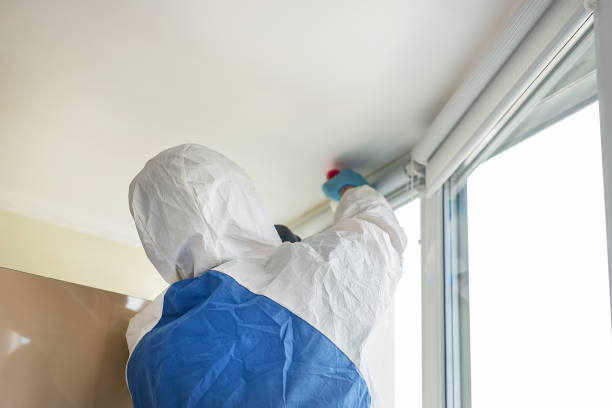
When it comes to managing pests, homeowners often turn to household hacks that claim to solve infestations quickly and cheaply. However, many of these popular methods fail to deliver results and can sometimes make the problem worse. Understanding why some of these tactics don’t work and learning about more effective alternatives can save time, effort, and money.
Ineffective Pest Removal Hacks
- Using Baking Soda with Sugar for Roaches
This method involves mixing baking soda with sugar under the premise that roaches will ingest the mixture, causing digestive issues. While it may kill a few insects, it does not address the root cause of an infestation. - Placing Cucumber Slices to Repel Ants
Cucumber slices are said to repel ants due to their bitterness. However, this method has limited impact because ants are highly adaptive and driven by scent trails rather than isolated deterrents. - Drawing Chalk Lines Around Entrances
The myth here claims that chalk disrupts ant pheromone trails. While there may be a minor deterrent effect initially, ants quickly find alternative routes around these barriers. - Using Coffee Grounds Against Pests
Coffee grounds are often suggested as a natural repellent for pests like slugs or mosquitoes. However, studies show this method provides inconsistent results at best.
Why These Methods Fail
- Lack of Scientific Basis: Most of these methods rely on anecdotal evidence rather than scientific studies.
- Temporary Results: Even if some pests avoid certain substances initially (such as chalk or cucumbers), they adapt quickly.
- Ignoring Root Causes: These hacks primarily focus on surface-level symptoms rather than addressing underlying factors like food sources or entry points.
- Limited Reach: Many DIY solutions fail to target hidden areas where pests thrive (e.g., cracks in walls or dark spaces).
Effective Alternatives That Work
- Inspect your home for gaps around windows, doors, and pipes.
- Use caulk or weatherstripping to close small openings.
- Install mesh screens over vents and drains where pests could enter.
- Regularly sweep floors and wipe down counters to eliminate crumbs and spills.
- Store food in airtight containers.
- Empty trash bins daily.
- For roaches: Gel baits or sticky traps placed near high-traffic areas are highly effective.
- For ants: Place bait stations along trails so workers carry poison back to the colony.
| Pest Type | Recommended Solution | Notes |
| Ants | Bait stations | Targets colonies effectively |
| Roaches | Gel baits | Works in cracks/hidden spots |
| Mice | Snap traps | Ensure bait is properly set |
- Consider Professional Help If infestations persist despite your best efforts, contacting a licensed pest control company ensures long-term solutions tailored for your home environment.
By avoiding unreliable hacks and focusing on proven techniques instead, you can significantly reduce pest populations while preventing their return effectively over time.
Discover Why Hiring an Exterminator Stuart FL Is More Effective Than Using Essential Oils for Household Pests
Essential oils are often touted as a natural solution for repelling household pests, but do they really work? While the idea of using plant-based oils to deter insects and rodents may be appealing, the evidence behind their effectiveness is mixed. This section will explore why essential oils may not always deliver the desired results and provide alternative pest control methods that are more reliable.
Why Essential Oils May Fall Short
- Short-lived effect: Essential oils evaporate quickly, which reduces their potency over time. This means frequent reapplication is necessary to maintain any effectiveness.
- Limited coverage area: Applying essential oils to one area of your home may deter pests from that specific spot but won’t prevent them from moving elsewhere.
- Not universally effective: Different pests respond differently to essential oils. For example, while peppermint oil might deter ants or spiders temporarily, it’s unlikely to affect cockroaches or rodents significantly.
- Dilution challenges: When diluted improperly (or used in small quantities), essential oils lose much of their already limited ability to repel pests.
Effective Alternatives to Essential Oils
- Inspect your home’s foundation, windowsills, doors, and vents for gaps or cracks where pests can enter.
- Use caulk or weatherstripping to seal these entry points.
- Wipe down kitchen counters regularly.
- Store food in airtight containers.
- Empty trash bins frequently.
- Use fine mesh screens on windows and doors.
- Install door sweeps under exterior doors.
- Use tamper-resistant bait stations.
- Opt for sticky traps in problem areas like under sinks or near garbage bins.
- Hire licensed pest control services that use industry-approved products designed specifically for certain types of infestations.
Comparison Table: Essential Oils vs Proven Methods
| Aspect | Essential Oils | Proven Methods |
| Longevity of Effectiveness | Temporary; needs reapplication | Long-lasting if properly implemented |
| Coverage Area | Limited; affects only specific spots | Wide-scale coverage possible with correct strategies |
| Ease of Application | Simple but requires frequent effort | Often a one-time setup (e.g., sealing cracks) |
| Scientific Backing | Limited evidence | Strong evidence for efficacy |
Situational Use of Essential Oils
- Use peppermint oil-soaked cotton balls at known entry points while waiting on repairs (e.g., sealing).
- Add a few drops of citronella oil when cleaning outdoor areas like patios where mosquitoes gather temporarily.
For long-term pest management solutions that are both effective and sustainable, however, combining prevention tactics with professional-grade tools will yield better results than relying solely on natural remedies like essential oils.
By understanding the limitations of essential oils and exploring alternative approaches backed by science and practical application, you can protect your home against common household pests reliably over time.
Discover What a Stuart FL Pest Control Company Recommends Instead of Essential Oils for Pests
Essential oils have gained popularity for their natural, pleasant-smelling, and supposed pest-repelling properties. Advocates often suggest oils like peppermint, lavender, tea tree, or eucalyptus as non-toxic options to keep pests such as insects and rodents at bay. While there is some truth to their effectiveness in deterring certain pests temporarily, it’s important to separate fact from fiction and understand the limitations of essential oils.
The Reality of Using Essential Oils for Pest Control
- Short-lived effectiveness: Essential oil-based repellents require frequent reapplication because the aroma dissipates quickly.
- Limited impact on infestations: While essential oils may repel individual pests like ants or mosquitoes temporarily, they are not effective against infestations or larger pest populations.
- Species-specific results: Some essential oils may work on specific species but prove entirely ineffective against others. For example, peppermint oil might deter mice but has little impact on cockroaches.
- No residual action: Unlike chemical pesticides that remain active over time, most essential oils lose their potency quickly after application.
Commonly Used Essential Oils and Their Target Pests
| Essential Oil | Target Pest(s) | Effectiveness (Low/Moderate/High) | Notes |
| Peppermint Oil | Mice, spiders | Moderate | Must be reapplied frequently |
| Lavender Oil | Moths | Low | Works best in enclosed spaces |
| Eucalyptus Oil | Mosquitoes | Moderate | Short-lasting protection |
| Tea Tree Oil | Ants | Low | Effectiveness varies by species |
| Citronella Oil | Mosquitoes | High | Commonly used in candles |
Why Essential Oils Fail Against Persistent Pest Problems
- Pests adapt quickly: Over time, pests can become accustomed to smells that initially deterred them.
- Ineffective penetration: Essential oil sprays cannot penetrate into cracks and crevices where pests hide.
- Failing to remove attractants: Simply using repellents does little if food crumbs or water sources remain accessible indoors.
What Works Better?
- Integrated Pest Management (IPM): This strategy involves a combination of cleaning routines, sealing entry points, proper storage of food items in airtight containers, and regular inspections.
- Professional Pest Control Services: Licensed professionals can identify the type of infestation you’re facing and apply targeted treatments designed for maximum effectiveness with minimal environmental impact.
- Use diatomaceous earth (a natural substance) to eliminate crawling insects like ants without harmful chemicals.
- Seal cracks in walls and around windows with caulk to prevent entry.
- Install physical barriers such as fine mesh screens or weather stripping.
Incorporating these measures alongside occasional use of essential oils may offer better results than relying solely on aromatic compounds.
Final Thoughts
While essential oils can be part of a natural approach to repel minor pests temporarily—such as diffusing peppermint oil near suspected entry points—they are not a standalone solution for significant or recurring pest problems. Understanding their limitations ensures you can make informed decisions about more reliable alternatives while keeping your home safe from unwanted intruders.
Strategic Tips for Effective Pest Removal Stuart FL Homeowners Need
Pest control doesn’t always have to rely on chemical solutions. Incorporating certain plants into your landscape or indoor spaces can serve as a natural and eco-friendly way to help keep pests at bay. However, using plants effectively requires some planning and understanding of their properties.
Why Some Plants Repel Pests

Certain plants produce natural compounds that act as repellents for insects and other pests. These compounds, such as essential oils or strong-smelling chemicals, are often released through the leaves, flowers, or stems of the plants. The smells might be pleasant to humans but are often overpowering or repulsive for pests like mosquitoes, ants, flies, and even rodents.
For example:
– Lavender: Its strong fragrance can deter moths, fleas, flies, and mosquitos.
– Basil: Known for repelling houseflies and mosquitoes.
– Marigolds: Contain pyrethrum, which is effective against aphids and mosquitos.
– Mint: Its aroma can help drive away ants and spiders while discouraging rodents.
Indoor Pest Control with Plants
If you’re aiming to manage pests inside your home naturally, consider placing pest-repelling plants in strategic areas.
- Mint or Peppermint pots near windows: Helps deter ants and spiders from entering.
- Lemongrass in kitchens: Carries citronella oil that repels flies.
- Lavender sachets near closets or drawers: Protects clothing from moths while adding a fresh scent.
Note: Some pest-repellent plants like mint tend to grow aggressively. It’s best to keep them in containers if you’re growing them indoors.
Using Plants Outdoors for Pest Control
| Plant | Pest Repelled | Best Placement |
| Marigolds | Aphids & Mosquitoes | Garden borders & vegetable beds |
| Rosemary | Flies & Mosquitoes | Near patios & outdoor seating |
| Chrysanthemums | Cockroaches & Fleas | Flower beds |
| Nasturtiums | Aphids & Whiteflies | Around crops susceptible to infestation |
To maximize effectiveness:
1. Combine multiple pest-repellant plants rather than relying on one type.
2. Focus placement on problem areas like doorways or garden perimeters.
3. Blend these with other garden elements such as mulch to enhance protection.
Limitations of Using Plants for Pest Control
While using plants can reduce pest presence significantly, it’s not always a standalone solution.
– The effectiveness of these plants depends on factors like their condition (well-maintained vs wilted), proximity to the target area, and the specific pest problem being addressed.
– Severe infestations might require additional interventions such as traps or professional assistance.
It is also important to avoid over-reliance on any single method by integrating plant-based tactics into broader Integrated Pest Management (IPM) strategies.
By carefully selecting the right greenery for your home or garden environment, you can enjoy both aesthetic benefits and functional pest control—without needing harsh chemicals that could harm beneficial species in the ecosystem.
Common Myths Like Baking Soda and Sugar for Killing Roaches: What You Should Know
Combating cockroach infestations can be challenging, leading homeowners to seek easy and cost-effective solutions. Among these are common DIY remedies such as mixing baking soda and sugar to kill roaches. While widely discussed, it’s important to explore the effectiveness of these tactics and consider professional alternatives that yield better results.
The Baking Soda and Sugar Method: How It’s Supposed to Work
- Preparation: Equal parts of baking soda and sugar are mixed thoroughly.
- Placement: The mixture is sprinkled in areas where roaches are frequently seen, such as under sinks, near drains, or along baseboards.
- Reaction: When roaches ingest the mixture, the reaction inside their stomach supposedly kills them.
While this approach may sound promising, its effectiveness is highly questionable.
Why Baking Soda and Sugar May Fail
- Inefficient Delivery: Roaches are cautious creatures and may not consume sufficient quantities of the mixture for it to have any significant effect.
- Limited Impact on Nest: Even if a few roaches die from consuming the mixture, it does not target the larger colony or tackle eggs.
- Behavioral Adaptation: Roaches can learn to avoid treated areas over time, reducing the long-term effectiveness of this approach.
Effective Alternatives for Roach Control
- Modern gel baits contain attractants combined with slow-acting insecticides.
- When consumed by one roach, they spread through grooming or excretion in nests—eliminating colonies more effectively.
- Boric acid disrupts digestion in roaches when ingested while also damaging their exoskeletons upon contact.
- It should be applied sparingly in cracks and crevices where pests hide.
- Integrated Pest Management (IPM)
IPM combines multiple methods for comprehensive pest control: - Regular cleaning to eliminate food sources.
- Sealing entry points like cracks or gaps around windows and doors.
- Use of traps alongside targeted pesticides when necessary.
| Alternative | Pros | Cons |
| Gel Baits | Highly effective on colonies | May require professional handling |
| Boric Acid | Affordable & accessible | Toxic if misused |
| Integrated Pest Mgmt | Environmentally friendly | Takes time & effort |
Preventive Measures Are Key
- Store food in sealed containers.
- Dispose of waste promptly; don’t let garbage accumulate.
- Address plumbing leaks since cockroaches thrive in damp environments.
By shifting focus from myths toward evidence-based practices, you can maintain a healthier home environment while effectively combating cockroach infestations without unnecessary trial-and-error approaches.
Common Myths Like Baking Soda and Sugar for Killing Roaches: What You Should Know
When it comes to pest control, many homeowners turn to DIY methods in search of inexpensive and environmentally friendly solutions. Among these homemade remedies, a popular myth is that combining baking soda and sugar can effectively kill cockroaches. While these methods may seem appealing, it’s essential to understand their actual effectiveness and explore better alternatives for roach control.
How the Baking Soda and Sugar Method is Supposed to Work
The idea behind using baking soda mixed with sugar is based on the following premise:
– Sugar acts as bait – It attracts cockroaches due to its sweetness. Roaches are naturally drawn to sugary substances.
– Baking soda reacts inside the roach’s stomach – When consumed, the theory suggests that baking soda combines with water in the insect’s digestive system, producing a gas that ultimately kills it.
Although this method may make sense theoretically, there are significant limitations when applied in real-world situations.
Why This DIY Approach Falls Short
- Inconsistent Results
While some roaches might consume the mixture, others may avoid it altogether. The effectiveness largely depends on whether all cockroaches in an infestation come into contact with the bait—something that’s difficult to guarantee. - Limited Impact on Infestations
Even if a few cockroaches succumb to this method, it won’t address the underlying problem. Cockroach infestations typically involve large populations that reproduce quickly. A home remedy like this is unlikely to eliminate enough roaches to make a noticeable difference. - Behavioral Adaptation of Cockroaches
Cockroaches are highly adaptive creatures capable of avoiding substances they perceive as harmful over time. Once they sense a threat associated with your homemade bait, they’ll likely stop consuming it. - Doesn’t Address Hidden Nesting Areas
Roaches tend to hide in areas like wall voids or under appliances where homemade remedies cannot reach.
Safer and More Effective Alternatives
- Professional Gel Baits
Commercially available gel baits contain scientifically formulated attractants combined with active ingredients proven to kill roaches effectively over time. - Boric Acid
When applied correctly (in thin layers), boric acid works as both a poison and abrasive substance for cockroach control without attracting other pests like sugar-based mixtures might. - Integrated Pest Management (IPM): A comprehensive IPM approach includes:
- Sealing cracks where roaches enter.
- Removing food sources by cleaning up crumbs and sealing trash bins.
- Reducing moisture by repairing leaky pipes or sinks.
| Method | Effectiveness | Ease of Use | Cost | Safety Concern |
| Baking Soda & Sugar | Low | Easy | Very Low | May attract other pests |
| Gel Baits | High | Moderate | Moderate | Follow label guidelines |
| Boric Acid | Moderate | Moderate | Low | Use cautiously around kids/pets |
Tips for Preventing Future Infestations
- Keep food stored in airtight containers.
- Clean kitchen counters regularly.
- Vacuum often in corners or crevices where crumbs accumulate.
- Address any plumbing leaks promptly as moisture attracts cockroaches.
- Consider using sticky traps or monitoring stations near suspected hiding spots for early detection.
Avoid relying solely on unproven myths when dealing with pest issues—investing in tried-and-tested solutions will save you time and frustration while protecting your home from recurring infestations effectively.
What You Should Know About Using Vinegar to Kill Bed Bugs on Contact
Vinegar is often touted as a natural, non-toxic solution for pest control, especially for bed bugs. While this household staple does have its uses in cleaning and deodorizing, its effectiveness in completely eradicating bed bugs is limited. Understanding how vinegar works — and where it falls short — is crucial when addressing a bed bug infestation.
How Vinegar Affects Bed Bugs
Vinegar consists of acetic acid, which can damage the nervous system of pests like bed bugs upon direct contact. When sprayed directly on bed bugs or their eggs, vinegar may temporarily immobilize or kill them. This has led many to believe it’s an effective DIY solution.
However, there are several limitations:
– Surface-Level Impact Only: Vinegar can only kill bed bugs that it directly touches. It does not penetrate deeply into cracks, crevices, or mattresses where bed bugs often hide and lay eggs.
– No Residual Effect: Unlike professional pesticides that remain active for days or weeks after application, vinegar evaporates quickly and does not provide a lasting barrier against reinfestation.
– Limited Egg Elimination: While some claim vinegar can destroy eggs, it is not nearly as effective as professional-grade treatments designed specifically for this purpose.
Risks of Using Vinegar for Bed Bug Control
While vinegar may seem harmless compared to chemical solutions, it does come with risks when misused during pest control efforts:
1. Damage to Surfaces: Acetic acid can discolor or degrade certain materials like wood finishes and fabrics if over-applied.
2. Ineffectiveness in Severe Infestations: Trying to combat an advanced infestation using only vinegar will likely fail, allowing the problem to worsen over time.
3. Strong Odor: The pungent smell of vinegar can linger in your home after extensive use and may cause discomfort for residents.
Effective Alternatives to Vinegar for Bed Bug Control
| Method | Description | Pros | Cons |
| Heat Treatment | Exposing infested areas to high temperatures (at least 120°F) through professional equipment or dryers. | Non-toxic; kills all life stages | Requires professional equipment |
| Chemical Pesticides | EPA-approved sprays specifically formulated for killing bed bugs and their eggs | Long-lasting residual effect | May carry health risks if misapplied |
| Diatomaceous Earth | A natural powder that dehydrates insects by damaging their exoskeletons | Non-toxic; safe around pets when used correctly | Can be messy; requires reapplication |
| Professional Pest Control | Hiring licensed exterminators who use integrated pest management (IPM) strategies | Comprehensive; addresses root causes | Higher cost upfront |
Steps You Can Take Alongside Professional Treatments
- Vacuum Regularly: Focus on crevices within furniture and along baseboards.
- Wash Bedding in Hot Water: Use the highest heat setting available.
- Declutter Your Space: Reducing hiding spots makes your home less appealing to pests.
- Encase Mattresses and Box Springs: Choose products specifically designed as bed bug-proof covers.
Taking these steps ensures your efforts are maximized while minimizing reliance on ineffective remedies like vinegar alone.
While vinegar might appear helpful at first glance due to its affordability and accessibility, it’s clear that addressing a bed bug problem effectively requires more comprehensive measures tailored to the biology of these persistent pests.
What You Should Know About Using Vinegar to Kill Bed Bugs on Contact
Bed bugs are notorious for being one of the most challenging pests to eliminate. Many homeowners turn to DIY methods, with vinegar often touted as a natural and inexpensive solution. However, while vinegar might seem like an accessible option, its effectiveness in controlling bed bug infestations is largely overstated. This article explores the truth about using vinegar against bed bugs and provides alternative strategies that deliver better results.
Understanding Vinegar’s Role in Pest Control
- Direct Contact Required: For vinegar to be effective, it must be sprayed directly onto bed bugs. This means it won’t impact hidden insects or eggs tucked away in crevices.
- No Effect on Bed Bug Eggs: Vinegar cannot penetrate or destroy bed bug eggs, allowing new generations of pests to hatch and continue the infestation.
- Temporary Solution: Vinegar does not provide residual effects, meaning it won’t create a lasting barrier against these pests.
While vinegar may kill a few visible bugs upon contact, relying solely on this method will not address the root of the problem.
Why Vinegar Alone Is Not Enough
| Problem Area | Explanation |
| Limited Reach | Bed bugs hide in hard-to-reach areas like mattress seams, cracks, and walls. |
| Egg Survival | Eggs remain unaffected by vinegar treatments and will hatch within days. |
| Resistance Development | Over time, some pests may adapt or develop resistance to mild irritants. |
These factors make it clear that while vinegar has some short-term utility in killing individual bugs on contact, it’s not a comprehensive pest control solution.
Effective Alternatives for Bed Bug Elimination
- High temperatures (above 120°F) can kill both adult bed bugs and their eggs.
- Use professional-grade steamers or schedule a heat treatment service for your home.
- Regularly vacuum mattresses, furniture seams, carpets, and cracks where bed bugs may reside.
- Dispose of vacuum bags immediately after use to prevent reinfestation.
- Use mattress and box spring encasements designed specifically for bed bug prevention.
- These covers trap existing pests inside while preventing new ones from infesting your bedding.
- DE is a natural powder made from fossilized algae that damages the exoskeletons of crawling insects.
- Apply it lightly around baseboards, under furniture, and along cracks where bed bugs travel.
- Hiring experienced pest control specialists ensures thorough treatment using advanced techniques such as insecticides or heat applications approved for residential use.
Preventative Measures
- Inspect secondhand furniture thoroughly before bringing it home.
- Wash bedding regularly at high temperatures.
- Seal cracks in walls or flooring where pests might enter your living space.
- Minimize clutter around sleeping areas so there are fewer hiding spots for these insects.
By combining preventative actions with proven extermination methods over DIY remedies like vinegar alone, homeowners can tackle infestations effectively without wasting time or resources on short-term fixes that don’t address the problem fully.
- Discover How Stuart FL Pest Control Company Tackles 12 Unwanted Pests in Your Home and Prevention Tips
- Understanding the Key Differences with Stuart Pest Control Services
- 8 Signs You Should Call a Stuart FL Pest Control Company for Your Basement
- Comprehensive Guide to Launching Your Own Stuart FL Pest Control Company
- Finding the Best Exterminator Stuart FL to Protect Your Home and Family
- Effective Stuart Pest Control Tips and Alternatives to Avoid Common Removal Myths
- Steps to Take When Stuart Pest Control Isn’t Effective in Your Apartment
- Stuart Pest Control: Creating a Natural Haven for Predatory Insects to Combat Pests