

Pests are more than just a nuisance; they pose serious risks to both your home and family. While some might attempt DIY pest control methods, professional pest control services are often the most effective option for comprehensive protection. Here’s why hiring professionals is essential.
Health Risks Associated with Pests
Pests are known carriers of harmful diseases and bacteria that can affect your family’s health. These are some of the most common health risks associated with household pests:
– Rodents: Spread diseases like Hantavirus, Salmonella, and Leptospirosis through their droppings and urine.
– Cockroaches: Trigger allergies and asthma, especially in children. They also carry pathogens such as E. coli and Salmonella.
– Mosquitoes: Transmit illnesses like West Nile Virus, Zika Virus, and Malaria.
– Ticks: Can cause Lyme disease through their bites.
Professional pest control services not only eliminate pests but also reduce the threat of these health hazards to your family.
Property Damage Caused by Pests
Certain pests can cause significant damage to your home if not addressed promptly:
– Termites: These insects feed on wood structures, potentially causing thousands of dollars in repair costs if left untreated.
– Rodents: Chew through insulation, electrical wiring (posing a fire hazard), and even plumbing materials.
– Carpenter Ants: Hollow out wooden structures in your home to build their nests, compromising structural integrity over time.
A professional pest control treatment ensures complete eradication of pests before they can cause extensive damage.
Benefits of Professional Expertise
- Accurate Identification: Pest specialists can accurately identify the type of infestation you’re dealing with and tailor their approach accordingly.
- Effective Treatment Plans: Using knowledge of pest behavior, professionals implement targeted strategies that efficiently address infestations.
- Safe Application Methods: Professionals use pesticides safely and ensure minimal exposure to harmful chemicals for residents.
- Preventative Measures: Beyond elimination, experts help prevent future infestations by sealing entry points or offering maintenance programs.
Comparing DIY vs Professional Pest Control
| Aspect | DIY Pest Control | Professional Pest Control |
| Effectiveness | Limited success; may not target eggs or hidden infestations | Comprehensive solutions targeting all lifecycle stages |
| Safety | Risk of overusing chemicals or improper application | Trained experts ensure safe chemical handling |
| Long-Term Results | Temporary relief; pests often return | Long-lasting results with preventative measures |
| Cost | Appears cheaper upfront but may require repeated attempts | Cost-effective due to lasting protection |
Peace of Mind for Your Family
A pest-free home promotes a safe living environment where your family can thrive without concerns about disease transmission or property damage caused by unwanted invaders.
Investing in professional pest control services is critical for maintaining the safety, health, and overall value of your home while ensuring peace of mind for everyone under your roof.
Understanding the Stuart Pest Control Treatment Process
A professional pest control treatment process is a structured and methodical approach designed to eliminate pests effectively while ensuring the safety of your household. Understanding what happens during this process can help you prepare your home and know what to expect. Below is an outline of the key steps involved in a professional pest control treatment, along with the methods and tools typically used.
Comprehensive Inspection and Assessment by Stuart FL Pest Control Company
The first step in any professional pest control service involves a thorough inspection of your property. This ensures that the problem is accurately identified and addressed.
- Identify the type of pests affecting your home (e.g., ants, rodents, bedbugs).
- Locate active infestations, nesting areas, or entry points.
- Assess the severity of the infestation to determine appropriate treatment methods.
- Flashlights for darker areas like basements or attics.
- Moisture meters for detecting termite activity.
- Monitoring traps for identifying specific pests.
Effective Pest Removal Stuart FL: Customized Treatment Plans
After gathering information during the inspection, professionals develop a tailored treatment plan. This step ensures that treatments are suited to your home’s specific needs.
- The type of pest(s) present.
- The size of the infestation.
- Structural considerations, such as cracks or moisture-prone areas that attract pests.
- Chemical treatments (e.g., insecticides, rodenticides).
- Non-chemical methods (e.g., traps, heat treatments).
- Preventative measures like sealing entry points or addressing environmental factors.
Execution of Pest Control Methods
Once the plan is finalized, technicians proceed with executing targeted treatments. The exact method depends on both the nature and severity of the infestation.
Common Steps During This Phase:
- Application: Safe application of pesticides or other materials in problem areas like crevices or nesting sites.
- Physical Removal: In cases like rodents or wasps, physical removal may be necessary using traps or vacuum systems.
- Environmental Modifications: Technicians may advise changes such as removing clutter where pests thrive, trimming vegetation near your home’s foundation, or fixing dripping faucets to eliminate attractants.
Table Summarizing Pest Control Methods:
| Method | Description | Target Pests |
| Chemical Treatments | Use of pesticides/insecticides | Ants, cockroaches, termites |
| Heat Treatments | High-temperature applications | Bedbugs |
| Rodent Traps | Mechanical/adhesive traps | Mice and Rats |
| Fumigation | Gas-based treatments for severe cases | Termites |
Follow-Up Inspections
Effective pest control often requires follow-up visits to monitor progress and ensure long-term success.
- Technicians may revisit after several days or weeks depending on the initial findings.
- Adjustments may be made if residual activity persists or additional infestations are identified.
Safety Measures Implemented by Professionals
Throughout each step of the process, professionals prioritize homeowner safety by using regulated products and techniques. They will also provide clear instructions on how to minimize exposure risks during and after treatment—such as ventilating treated areas before re-entry.
Understanding these stages ensures homeowners are well-informed about what occurs during professional pest control services while emphasizing both efficacy and safety throughout each phase.
What Happens During a Professional Pest Control Treatment Process
1. Initial Inspection and Assessment
The first step in any professional pest control treatment is an in-depth inspection of the property. During this stage, the pest control technician will:
– Identify the type of pest infestation (e.g., ants, rodents, termites).
– Assess the severity and extent of the problem.
– Determine the root causes or conditions that are attracting pests (e.g., food sources, moisture issues, entry points).
– Create a customized treatment plan tailored to your specific situation.
This evaluation ensures that any action taken will directly target the underlying cause of your pest problem.
2. Customized Treatment Plan Development
Once the inspection is complete, professionals will propose a tailored solution that may include one or more methods such as:
– Chemical Treatments: Use of insecticides or rodenticides strategically applied in affected areas.
– Non-Chemical Approaches: These may involve traps, bait stations, exclusion techniques (e.g., sealing cracks), or natural repellents for environmentally conscious homeowners.
– Integrated Pest Management (IPM): A holistic approach combining prevention, monitoring, and targeted treatments to minimize pesticide use.
During this stage, technicians will also explain potential risks to pets or family members and provide safety guidelines.
3. Application of Treatments
The actual application phase involves implementing the chosen methods safely and efficiently:
– For indoor treatments, technicians focus on crevices, baseboards, attics, basements, or other areas where pests are active.
– For outdoor treatments, they may apply barriers around your home’s foundation or treat landscaping features like mulch beds where pests tend to nest.
Technicians follow strict safety protocols during chemical applications to protect people and pets. They use precise dosages and approved products suitable for residential environments.
4. Monitoring for Effectiveness
Post-treatment monitoring is crucial to ensure that pests are fully eradicated:
– Technicians often place monitoring devices like sticky traps or bait stations around treated areas.
– They may schedule follow-up inspections to reassess activity levels after an agreed-upon period (e.g., two weeks).
Homeowners are typically advised on what signs to watch for—such as decreased sightings—and whether additional treatments may be necessary.
5. Recommendations for Prevention
After addressing an infestation, professionals often provide guidance on long-term prevention strategies. These recommendations might include:
– Sealing cracks or gaps around windows and doors with caulk or weatherstripping.
– Properly storing food in airtight containers to avoid attracting pests like ants or rodents.
– Regularly cleaning drains and removing standing water sources indoors or outdoors.
Prevention efforts reduce the likelihood of future infestations while maintaining a safer living environment.
| Step | Action | Purpose |
| Initial Inspection | Identify pests & determine their entry points | To customize treatment plans |
| Customized Treatment | Implement chemical/non-chemical solutions | Target specific infestations effectively |
| Application | Apply solutions safely indoors/outdoors | Eliminate current infestation |
| Monitoring | Track efficiency through traps/inspections | Ensure thorough eradication |
| Prevention Education | Advise homeowners on habits & structural changes | Reduce future risk |
By understanding this structured approach during each phase of treatment, you can work collaboratively with professionals toward achieving long-term results in managing pests safely within your home environment.
Post-Pest Control Treatment Safety Tips for a Healthier Home
Pest control treatments are essential for maintaining a safe and healthy living environment. However, the steps you take after a professional pest control treatment are just as important to ensure its success and to protect your household. Below are key post-treatment safety tips to help you maintain a healthier home.
Allow Proper Ventilation
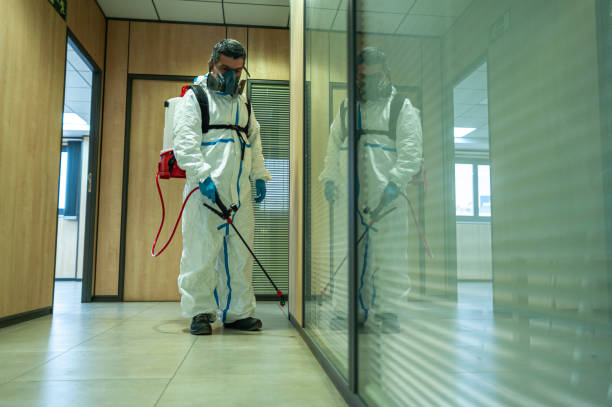
After the treatment is completed, it’s important to ventilate your home thoroughly. Open all windows and doors to allow fresh air to circulate, especially if pesticides or chemicals were used. This helps clear any lingering odors or fumes that might still be present.
Key ventilation practices include:
– Keeping windows open for at least 30 minutes to 2 hours.
– Using fans or HVAC systems to improve air circulation.
– Avoiding closed-off areas until they have been properly aired out.
Clean Up Only Where Necessary
- Avoid wiping down treated areas: Pesticides need time to settle and work effectively. Cleaning them too soon could remove the active agent.
- Focus on food preparation areas: If any surfaces like countertops were exposed during treatment, wipe them down with warm soapy water before use.
- Dispose of exposed food items: If any food items were left uncovered during treatment, discard them to avoid contamination.
For guidance on specific cleaning instructions, consult with the pest control professionals who performed the service.
Monitor Pest Activity
| Pest Behavior | Action |
| Dead pests | Safely dispose using gloves or tissue |
| Increased movement | Wait for chemicals to take full effect |
| Continued infestations | Contact pest control for follow-up |
It typically takes several days or weeks for complete eradication depending on the type of infestation.
Protect Pets and Children
- Keep children away from treated areas until they are deemed safe by your pest control provider.
- Ensure pet bedding, toys, and feeding bowls remain untouched by chemicals; wash these items if they may have been exposed.
- Supervise pets closely outdoors if yard treatments were applied.
For added peace of mind, ask your exterminator about child-safe and pet-safe pesticides during future treatments.
Address Potential Entry Points
- Cracks in walls or flooring.
- Gaps around windows or doors.
- Leaks in plumbing systems that attract moisture-loving pests.
A proactive approach can ensure long-term results from professional treatments.
When You Can Resume Normal Activities
It’s critical not to rush back into daily routines after a pest control service. Always follow the timeline provided by your exterminators regarding when it’s safe to re-enter certain rooms or resume household chores like mopping floors.
By adhering strictly to post-treatment safety protocols, you’ll safeguard not only your health but also maximize the effectiveness of your investment in professional pest management services.
Special Considerations for Keeping Pets and Children Safe During Pest Control
When scheduling pest control treatments, safeguarding the health and safety of your pets and children should be a top priority. While professional pest control services are designed to minimize risks, extra precautions can ensure that your loved ones are protected from chemical exposure or accidental ingestion of residues. Below are some essential considerations when preparing for pest control with pets and children in mind.
Communicate with Your Pest Control Professional
- Use pet- and child-safe products where possible.
- Recommend additional precautions based on the types of pests being treated.
- Advise on areas that may require restricted access during or after treatment.
Remove Pets and Children During Treatment
- The treatment involves fumigation or sprays that could linger in the air.
- There are residual pesticides placed in common areas such as floors or furniture.
- Your pet has respiratory issues or allergies that may be aggravated by chemicals.
Some professionals might suggest waiting a specific amount of time before allowing anyone—especially vulnerable groups like pets or small children—back into treated areas.
Prevent Access to Treated Areas
- Using barriers: Place gates or close doors to keep pets and kids away from sprayed surfaces.
- Supervising play areas: Ensure toys, bedding, water bowls, and other pet or child items are removed before treatment begins.
- Cleaning appropriately: After treatments dry completely, clean surfaces where food preparation occurs.
Opt for Pet- and Child-Safe Products
| Product Type | Benefits | Suggested Use |
| Baits & Gel Formulations | Minimized dispersion; targets specific pests | Cracks/crevices; inaccessible spots |
| Boric Acid-Based Treatments | Lower toxicity; safe when used correctly | Kitchens; baseboards |
| Essential Oil-Based Sprays | Non-toxic ingredients | Outdoor perimeters; entry points |
Be Aware of Residual Risks Post-Treatment
- Follow all re-entry instructions provided by your pest control expert.
- Wash pet bedding, toys, feeding bowls, and other frequently contacted items before use.
- Vacuum carpets thoroughly if they’ve been treated for fleas or other pests.
Monitor Behavioral Changes in Pets
After returning home post-treatment, keep a close eye on your pets for unusual symptoms such as lethargy, vomiting, excessive sneezing, or skin irritation. If these occur, contact your veterinarian immediately.
By taking these special considerations seriously, you can create a safer environment for both your family members—human and non-human—while effectively addressing pest problems.
Top Signs That It’s Safe to Return to Your Home After a Pest Control Treatment
After undergoing a pest control treatment, one of the most critical steps is determining when it is safe to re-enter your home. Properly timing your return minimizes health risks for you and your family while ensuring the effectiveness of the treatment. Below are key signs and considerations to help you confidently and safely step back into your home.
1. Adherence to Recommended Re-Entry Timeline
- Chemical sprays: Wait at least 2–4 hours after application.
- Fumigation (e.g., tenting): Stay out of the property for 24–72 hours.
- Natural or non-toxic methods: These generally have little-to-no waiting time, though specific advice from professionals should still be followed.
Always adhere strictly to these timelines provided by your pest control technician.
2. Absence of Chemical Odors
- Open windows and doors to improve ventilation.
- Run fans or air purifiers with HEPA filters to speed up air circulation.
Avoid entering confined spaces until the air quality has reached a safe level.
3. Pet and Child Safety Precautions
- Remove traces of pest control dust or residues from reachable surfaces like floors, baseboards, countertops, or furniture.
- Wash pet bedding, toys, and other items in affected areas.
- Verify that pet food dishes and water bowls have been thoroughly cleaned if left out during treatment.
4. Visible Cleanup Completed by Professionals
| Treatment Type | Expected Cleanup Status |
| Bait stations | Properly placed with no leaks |
| Dust applications | No visible residues on surfaces |
| Sprays/fogging | No wetness left on walls/floors |
If any leftover substances remain in frequently used areas, contact your provider before returning home.
5. Confirmation From Your Pest Control Provider
For peace of mind, ask your pest management professional directly whether it is safe to return. Their expertise ensures you are not exposed to harmful substances prematurely.
6. Absence of Physical Symptoms Upon Entry
- Headaches
- Itchy eyes or skin irritations
- Respiratory discomfort
If symptoms occur upon entry, leave immediately and consult with both medical professionals and your pest control provider about additional measures needed.
Returning home after a pest treatment requires careful observation and adherence to safety protocols given by experts involved in the process. Prioritize health precautions while also ensuring effective results from treatments performed by licensed professionals.
Comprehensive Guide to Ant, Bedbug, Flea, Mice, Rat, Skunk, and Wasp Removal Services
Effective pest control requires tailored strategies for different types of pests. Each species has unique behaviors, habitats, and vulnerabilities that necessitate specific approaches. Below is a comprehensive guide to the removal of common household and outdoor pests.
Ant Removal Services
Ant infestations can escalate quickly due to their ability to form extensive colonies. Professional ant control includes:
– Inspection: Identifying entry points and locating nests.
– Treatment Options:
– Baiting systems that attract ants to carry poison back to the colony.
– Perimeter sprays to prevent future infestations.
Pro Tip: Keep all food sealed and wipe down surfaces regularly to discourage ants.
Bedbug Removal Services
Bedbugs are notoriously difficult to eliminate due to their small size and resistance to many treatments. Professional services typically include:
1. Inspection: Detailed examination of mattresses, furniture seams, and cracks in walls or floors.
2. Treatments:
– Heat treatments that reach temperatures lethal to bedbugs at all life stages.
– Chemical applications targeting breeding areas. 3. Follow-Up Visits: Ensuring the infestation has been fully eradicated.
Addressing bedbug infestations promptly is key as they reproduce quickly.
Flea Control Services
Fleas are not only a nuisance but also a health concern for pets and humans alike.
Effective removal generally involves:
– Comprehensive Cleaning: Vacuuming carpets, washing pet bedding, and treating furniture fabric.
– Integrated Pest Management (IPM): – Spraying insecticides designed specifically for fleas.
– Treating pets with veterinarian-approved flea medications or shampoos.
Consistency in treatment is crucial since flea eggs can hatch weeks after initial removal efforts.
Mice and Rat Control Services
| Step | Description |
| Inspection | Identifying nesting sites, entry points, and food sources |
| Exclusion | Sealing gaps in doors, windows, pipes, and vents |
| Trapping | Setting up humane traps or snap traps in high-activity areas |
| Baiting | Using rodenticide baits where appropriate while obeying safety guidelines |
Hygiene plays a vital role in rodent prevention—maintain clean kitchens free of crumbs or standing water.
Skunk Removal Services
Skunks often take shelter under decks or sheds and pose risks due to their spray defense mechanism.
Key steps taken during professional services include:
– Humane traps that capture animals without harm.
– Relocation of skunks far from residential areas per local wildlife regulations.
– Installing barriers like mesh screens around potential entry points under structures.
Professionals also deodorize affected areas if spraying has occurred.
Wasp Removal Services
Wasps are aggressive insects that can pose serious risks when disturbed near nests.
Effective nest removal involves:
1. Inspecting property for wasp activity (eaves, trees, attics).
2. Direct treatment using aerosol insecticides designed for wasp removal.
3. Physical extraction of nests once the wasps have been neutralized.
4. Preventative measures such as sealing cracks where future nests could form.
Exercise caution around wasp nests—always leave large-scale removals to professionals equipped with protective gear.
By addressing each pest type with specialized methods tailored for its unique behavior patterns and habitats, professional pest control ensures safe and effective solutions for your home or business environment.
- Discover How Stuart FL Pest Control Company Tackles 12 Unwanted Pests in Your Home and Prevention Tips
- Understanding the Key Differences with Stuart Pest Control Services
- 8 Signs You Should Call a Stuart FL Pest Control Company for Your Basement
- Comprehensive Guide to Launching Your Own Stuart FL Pest Control Company
- Finding the Best Exterminator Stuart FL to Protect Your Home and Family
- Effective Stuart Pest Control Tips and Alternatives to Avoid Common Removal Myths
- Steps to Take When Stuart Pest Control Isn’t Effective in Your Apartment
- Stuart Pest Control: Creating a Natural Haven for Predatory Insects to Combat Pests